

Arrival
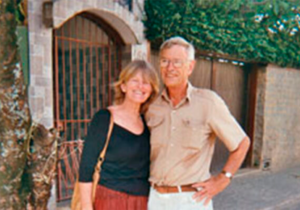
Robin and Binka Le Breton embark on a six-month road trip from the U.S. capital to Iracambi. From the moment that they settle in Minas Gerais, they begin the work of building a sustainable forest farm.
Forestry
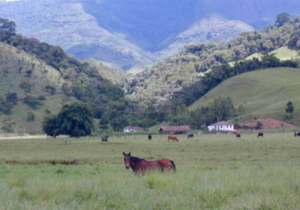
Forestry practices begin to take shape. The first native Atlantic Forest tree species are planted. The dairy herd is expanded and improved without harming the forest.
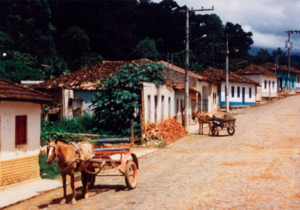
Limeira county is created
Robin and Binka, the founders of Iracambi, are actively involved in the process of creating a new municipality in the region: Rosário da Limeira, then a district of Muriaé. Emancipation brings increased funding for infrastructure and a sense of belonging among local citizens.
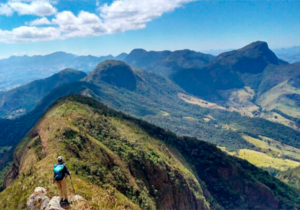
A Park Is Born
Nine months after Rosário da Limeira becomes a municipality, the Serra do Brigadeiro State Park is founded. Robin and Binka are invited to join the Park Council, and Iracambi representatives continue to serve there to this day.
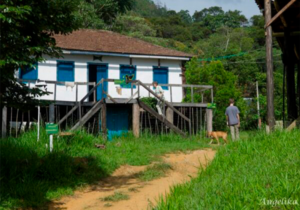
NGO and Research Center
After a visit from Partners of the Americas, the Iracambi NGO is founded, headquartered at the Research and Conservation Center. Its goals are to better understand how human activity degrades the Atlantic Forest and to research and implement best practices for ecological restoration.
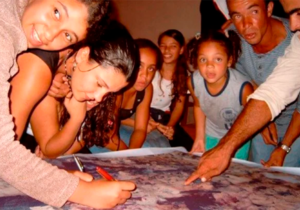
Major Firsts
Iracambi launches its first website, lays out the first forest trails, and creates programs in environmental education, medicinal plants, and mapping – all driven by the work of Brazilian and international volunteers.
More Firsts
Fauna and flora inventory work begins at Iracambi. With the help of a Canadian volunteer, a classroom and laboratory are built. Pro-bono lawyers in Washington, D.C. establish the U.S. nonprofit organization under 501(c)(3) status.
Environmental Policy
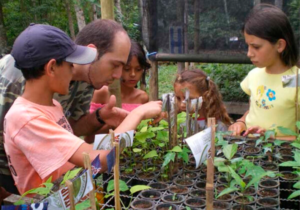
Iracambi gains satellite internet access. Environmental Protection Areas are set up in the county, and the forest nursery is inaugurated. The NGO is elected to the State Environmental Policy Council and becomes a finalist for an international sustainability award with broad impact and recognition.
Cabins
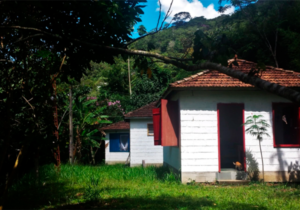
A volunteer architect and a U.S. based team build five cabins, providing accommodation for more than 20 people. Volunteer participation increases, and a popular weekly radio program keeps the community informed about environmental issues.
Public Hearing
The first rumors of bauxite mining in the region emerge, and the first public hearing is held. The dining hall is built, and Iracambi’s first funded program – Medicinal Plants – collects data on sustainable harvesting of medicinal plants. Iracambi becomes an OSCIP (a recognized public-interest NGO in Brazil).
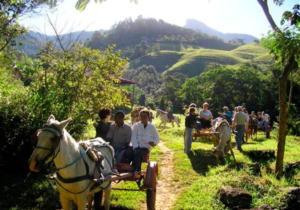
Projects in Action
A community training project is launched with funding from the Inter-American Foundation, focusing on sustainable community development, forest restoration, education and the production of soaps, shampoos and lotions. A partnership is also formed with a community tourism project funded by the Brazilian Ministry of Tourism.
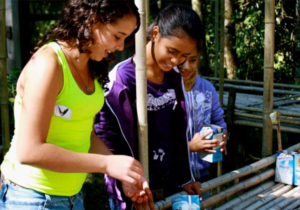
Seminars
In partnership with the National Agency for Agricultural Extension (ANATER), Iracambi organizes the first seminar on Payment for Environmental Services in the Serra do Brigadeiro Development Territory, as well as a seminar on Ecological Coffee Production.
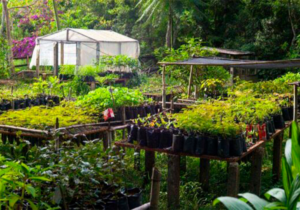
10th Anniversary
In addition to concluding the community tourism project with the Ministry of Tourism, the Iracambi Research and Conservation Center celebrates its 10th anniversary with great joy and festivities.
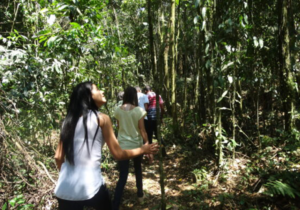
Earth Day
Environmental education is in full swing. Iracambi hosts several seminars at its headquarters on medicinal plants, coffee, and community tourism. A network of Private Natural Heritage Reserves (RPPN in Portuguese) is created, and Earth Day is celebrated with a community ecological walk along the forest trails.
Forest Corridors
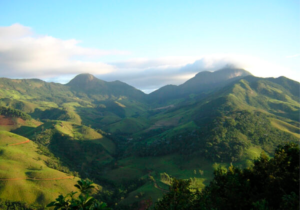
With funding from IUCN–Netherlands, Iracambi acquires a degraded forest area that becomes the Pico da Graminha Forest Reserve, on the border between Muriaé and Rosário da Limeira. Forest restoration work begins on the property.
Citizen Science
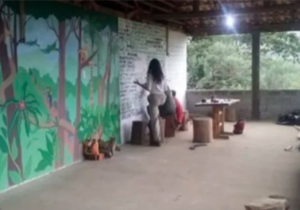
With funding from the online platform GlobalGiving, Iracambi launches its environmental education program “Junior Scientists@Iracambi”. Funded by a generous donation from a British volunteer, construction begins on the Mountain House in the Pico da Graminha Forest Reserve.
Birds, Transport and Student Exchange
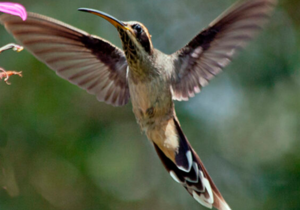
Iracambi’s bird list grows rapidly, reaching 260 species. After an online fundraising campaign, a vehicle (the “IraKombi” van) is purchased to transport students. The U.S. Department of State funds an international student exchange program “100K strong in the Americas.”
Forests for Water
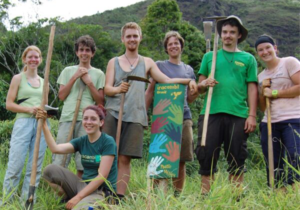
The “Forests for Water” (F4W) project is launched with funding from the BrazilFoundation. Forest restoration in the Pico da Graminha Reserve is completed. Iracambi wins the Peer Awards for Excellence in London, recognizing innovative initiatives in social responsibility, community engagement, and people management.
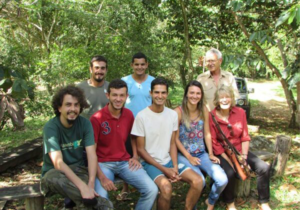
New Center
With a forward-looking perspective, an executive committee is created to begin the leadership transition to a newly expanded team. The Research and Conservation Center is renovated with a new roof, wiring, painting and the installation of solar panels.
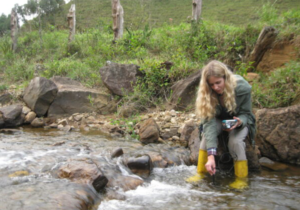
Radios
The transition process continues with invaluable support from international mentors. Iracambi is given radio equipment, essential for field research and reforestation. Water quality monitoring becomes increasingly important.
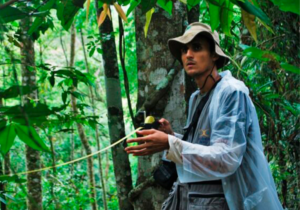
Agroecology
With the arrival of a professional to coordinate the agroecology project, Iracambi pilots an agroecological land-use model. The “Medicinal Plants” project is revived and the NGO joins a nationwide network led by Fiocruz to inventory the medicinal plants of Brazil.
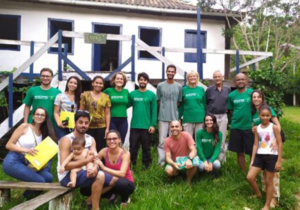
Outreach
Iracambi’s team is strengthened by the arrival of a new volunteer coordinator. The NGO begins outreach efforts to share its work with the local business community in search of financial support.
COVID-19 Pandemic
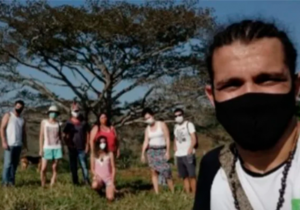
Iracambi begins the year with a new board of directors, but like the rest of the world, is deeply impacted by COVID-19. With the temporary suspension of in-person classes, online environmental education programs are offered to people across Brazil. New friends and supporters emerge, and despite the pandemic, native tree planting continues full blast.
Recovering…
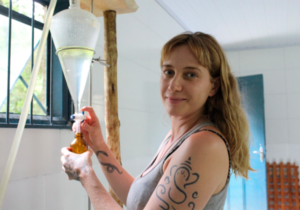
In the second year of the pandemic, schools remain closed. Iracambi delivers a series of highly successful online programs for environmental leaders and educators. The NGO benefits from corporate mentoring by the University of Oxford on the carbon market and launches the “Forest Therapies” program.
Moving Forward
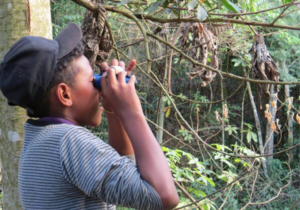
Iracambi expands its team, increases the size of its forest nursery, and gradually resumes hosting school children as the COVID-19 vaccination becomes available. The team travels to remote rural areas to offer medicinal plants workshops to rural women and receives additional corporate mentoring from organizations such as TIE, Nvidia, and 3M.
New Directions
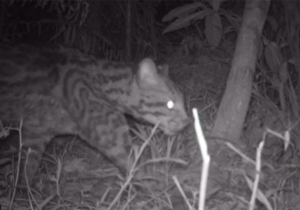
2023 is dedicated to consolidating projects. In the light of organizational and financial challenges, Iracambi focuses on planning for the next 20 years. Visiting researchers produce outstanding studies on soil, water, and biodiversity. A partnership agreement is signed with the world’s oldest university: the University of Bologna.
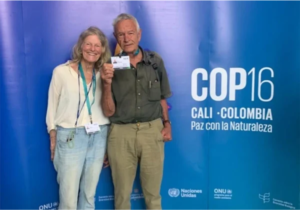
COP16
Robin and Binka Le Breton participate in COP16, the United Nations Conference on Biological Diversity (CBD), held in Cali, Colombia. This marks Iracambi’s third participation in a COP – first at Rio 92 (the mother of all COPs), then at COP 8 in Curitiba. Student partnerships expand with countries such as the United States, Italy, Germany, and China.
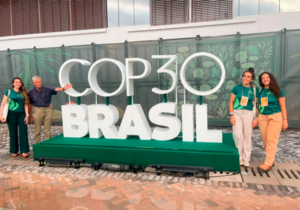
Another COP
A historic year! Iracambi presents projects and participates in presentations in the Blue, Green and Free Zones of COP30, the 30th United Nations Climate Change Conference, held in Belém. In addition, Iracambi revitalizes its brand identity, hosts its first Trail Run, exceeds the number of 300,000 native trees planted, and launches a new environmental education project: “Pathways to Knowledge.”
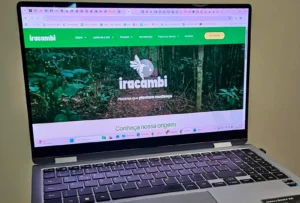
New Website!
As the year begins, the communications and marketing team launches Iracambi’s new website – visually enhanced and easier to navigate – offering clear and accessible communication to the many visitors who visit it daily.